


 461
461Product Description:
 *Aluminum Ingot – Quick Description*
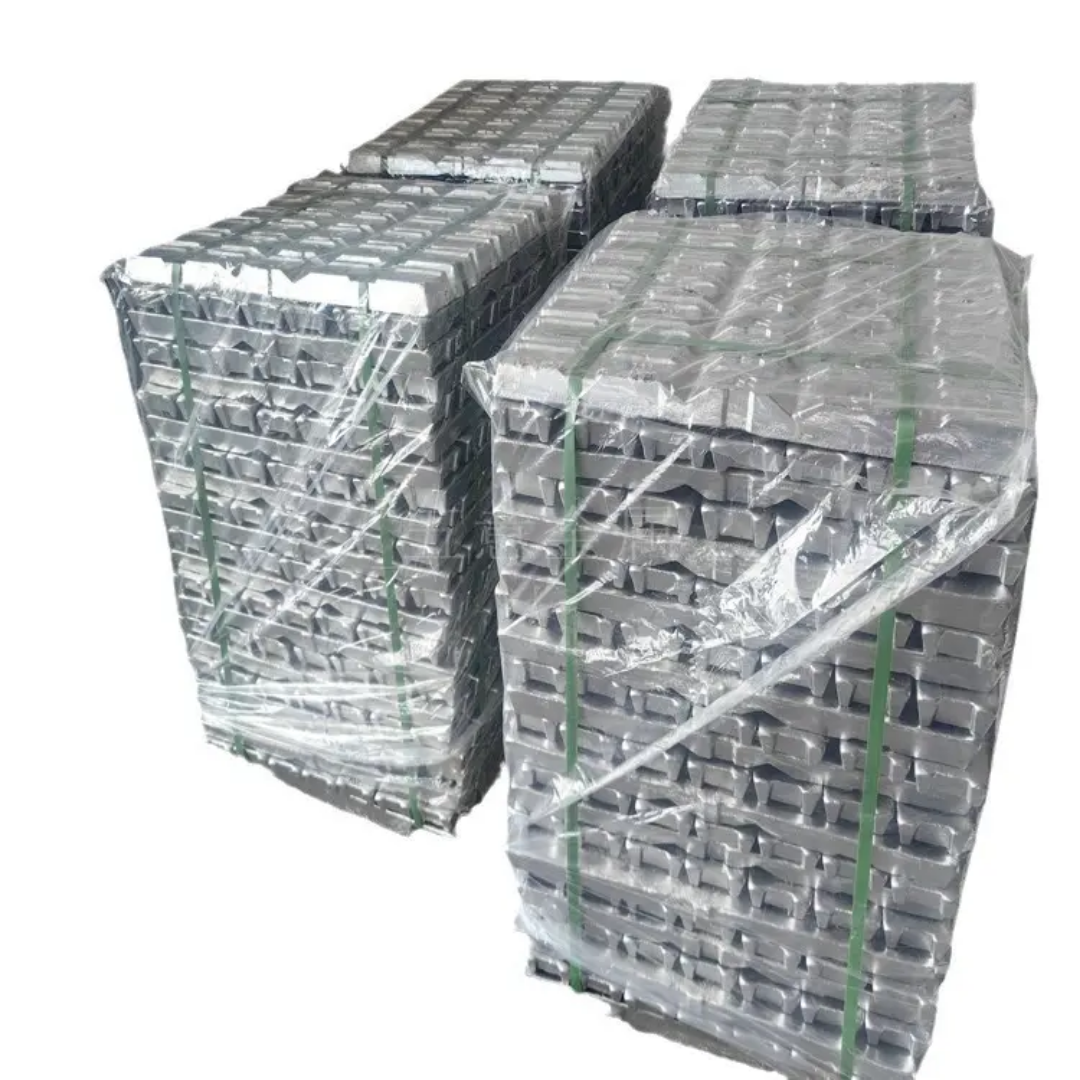
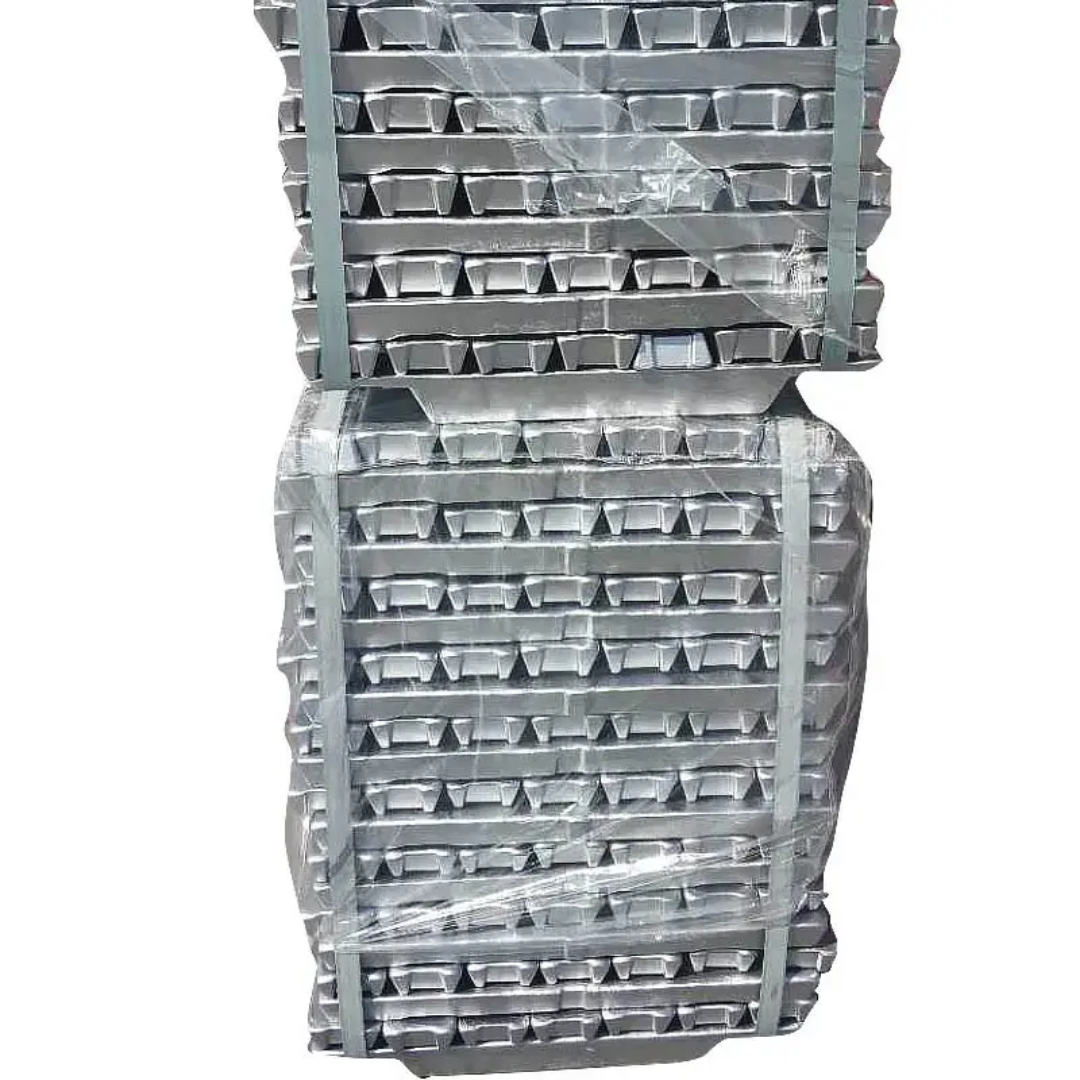
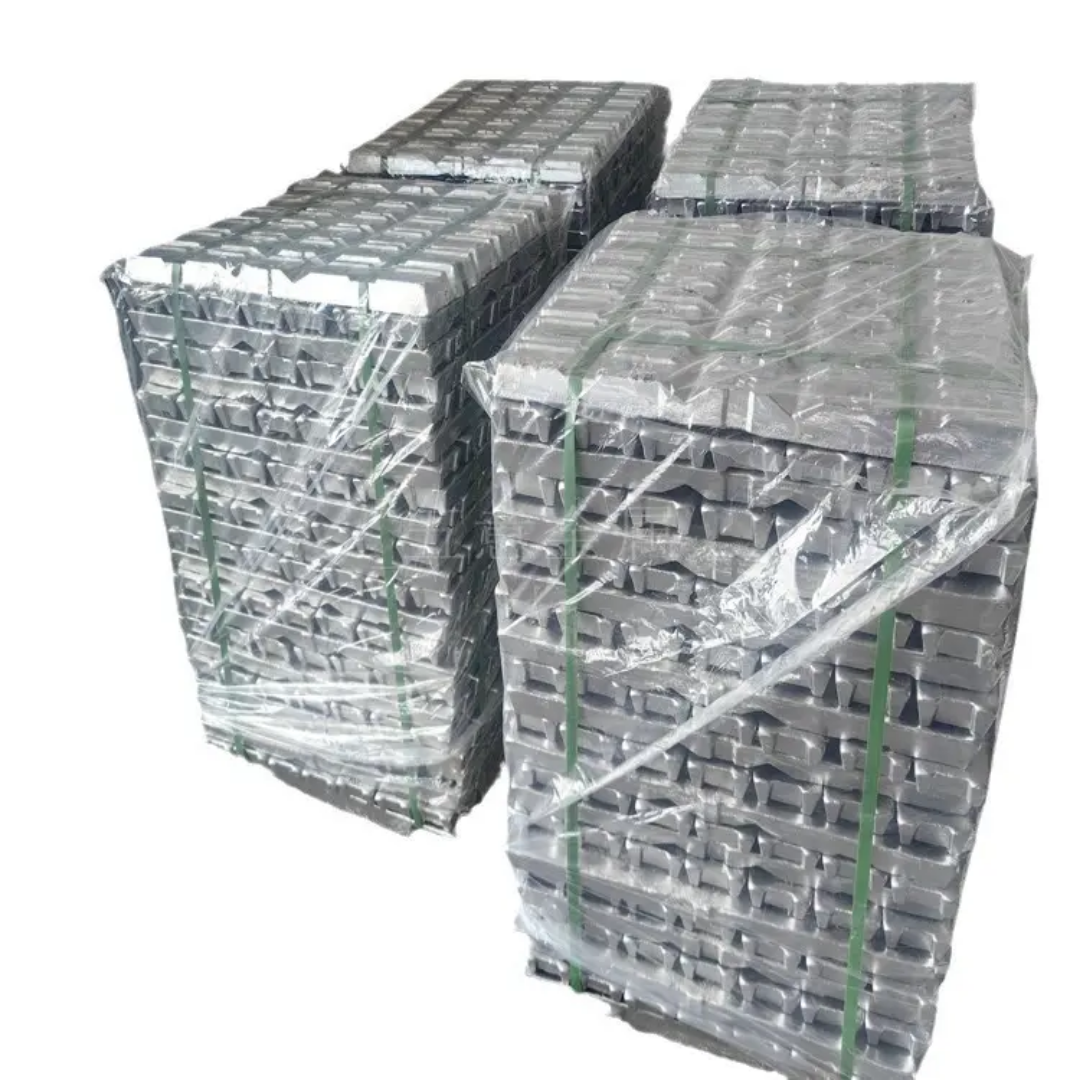
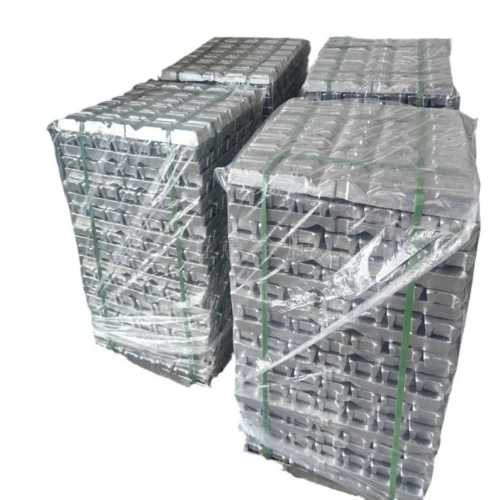
Aluminum ingot is a solid, rectangular (or sometimes trapezoidal) block of pure aluminum (or a standardized alloy) produced by smelting and casting molten aluminum into molds. It’s the primary raw material used in:
- *Casting & extrusion* – for making profiles, sheets, foils, and components in automotive, aerospace, construction, and packaging.
- *Alloying* – mixed with elements (e.g., copper, magnesium, silicon) to create stronger, corrosion‑resistant alloys.
- *Recycling* – scrap aluminum is remelted and recast into new ingots, saving energy vs. primary production.
*Key Properties*
- *Lightweight* – ~2.7 g/cm³ (about 1/3 of steel).
- *Good conductivity* – excellent for electrical and thermal applications.
- *Corrosion‑resistant* – naturally forms a protective oxide layer.
- *Malleable & ductile* – easy to shape, roll, or machine.
*Typical Specs*
- *Purity:* 99 %+ (commercial grade) up to 99.99 % (high‑purity).
- *Alloy series:* 1xxx (pure Al), 2xxx (Al‑Cu), 3xxx (Al‑Mn), 5xxx (Al‑Mg), etc.
- *Weight:* 20 kg – 1 tonne blocks (depends on producer).
- *Shape:* Rectangular slab, T‑shape, or custom molds.
*Uses*
- Automotive parts (engine blocks, wheels, frames).
- Aerospace structures.
- Construction (windows, doors, roofing).
- Packaging (cans, foil).
- Electronics (heat sinks, conductors).
*Sustainability Note*
- 95 % of the energy needed to produce primary aluminum is saved by recycling; ingots from recycled scrap keep the same quality.
If you need more detail (e.g., specific alloy codes, pricing, or sourcing), just let me know! 😊